Running a small business in Pembroke Pines means juggling customer demands, cash flow, and a never-ending list of responsibilities. Add tax season to the mix, and March through April can quickly become overwhelming. Whether you operate a restaurant on Pines Blvd, a home service contracting company, or an e-commerce startup, understanding tax preparation fundamentals can mean the difference between overpaying thousands and keeping more money in your business.
Introduction: Tax Season Challenges for Pembroke Pines Small Businesses
Small businesses in Pembroke Pines and nearby Miramar face tight IRS deadlines, evolving tax laws, and Florida-specific compliance requirements each year. With 14,955 businesses operating among the city’s 170,712 residents across neighborhoods like SilverLakes, Pembroke Falls, and Chapel Trail, the local entrepreneurial ecosystem is thriving—but so is the complexity of staying compliant.
Year-round recordkeeping matters because deadlines arrive quickly. S-corps and partnerships must file by March 15, while sole proprietors and C-corps face April 15 cutoffs. Missing these dates triggers penalties that can devastate cash flow for businesses operating on thin margins.
This article delivers practical, local-focused tax preparation tips rather than generic national advice. While Florida’s lack of personal income tax provides relief, federal business tax requirements remain complex. You will still deal with payroll taxes, quarterly estimated payments, and multiple IRS forms regardless of the state’s friendly tax environment.
The sections ahead cover essential topics:
- Recordkeeping systems that save time and money
- Deductions commonly missed by Pembroke Pines businesses
- Entity structure considerations for tax savings
- Critical deadlines and how to avoid penalties
- Working with a local tax pro for ongoing support
- Year-round tax planning strategies

Know Your Business Structure and Tax Obligations
Tax rules differ significantly based on whether you operate as a sole proprietor, LLC, S-corp, C-corp, or partnership. Your entity choice directly impacts which forms you file, when you file them, and how much you ultimately pay.
Understanding these differences helps you make informed decisions about your business tax services and overall tax strategy:
- Sole proprietorships and single-member LLCs file Schedule C with the owner’s Form 1040. All net profit becomes self-employment income, subject to the 15.3% SE tax on top of regular income tax.
- S-corps file Form 1120-S and issue K-1s to owners. Many South Florida small business owners elect S-corp status to potentially reduce self-employment tax, though this requires paying yourself a reasonable salary through payroll.
- Partnerships and multi-member LLCs default to partnership taxation via Form 1065, with income passing through to individual owners.
- C-corps file Form 1120 and face potential double taxation—21% federal rate plus Florida’s 5.5% corporate rate on profits, then additional tax when distributing dividends.
Common IRS forms Pembroke Pines businesses encounter include:
- Schedule C for sole proprietors
- Form 1120-S for S-corporations
- Form 1065 for partnerships
- Form 941 for quarterly payroll tax reporting
- Form 940 for annual federal unemployment tax
- W-2s and 1099-NEC forms for workers
Federal and Broward County obligations remain regardless of entity type. You will handle federal income tax, payroll taxes, and local business tax receipts. The corp election paying structure requires careful planning—S-corp status, for instance, demands reasonable salary payments and quarterly payroll filings.
Changing your entity type should be done with a tax professional, ideally before December 31 to take effect for the following tax year. An S corp election must be filed by March 15 for calendar-year effectiveness.
Organize Your Books and Records Before Tax Time
Clean bookkeeping completed by January or February saves money on tax preparation services and significantly reduces IRS audit risk. Small businesses face a 2.5% audit rate compared to just 0.4% for larger firms—messy records increase your odds of scrutiny.
Practical accounting services and tools local owners actually use include, along with dedicated business accountant and bookkeeping services:
- QuickBooks Online – Used by approximately 80% of small businesses for real-time tracking and automated bank feeds
- Xero – Popular for cloud-based collaboration with tax preparers
- Simple spreadsheets – Acceptable for micro-operations with fewer than 10 transactions monthly
Records every Pembroke Pines small business should maintain:
| Document Type | Purpose | Retention Period |
|---|---|---|
| Bank/credit card statements | Track income and expenses | 7 years |
| Z-reports or POS summaries | Verify daily sales | 7 years |
| Invoices and receipts | Support deductible expense claims | 7 years |
| Mileage logs | Vehicle deduction substantiation | 7 years |
| Payroll reports | Employee compensation records | 7 years |
| Prior-year tax return copies | Reference for carryovers | 7 years |
| All business income must appear on your income tax return, including cash from walk-in customers and payments received through Zelle, Cash App, and PayPal. Starting in 2023, payment platforms issue 1099-K forms for transactions exceeding $600—the IRS sees this income whether you report it or not. |
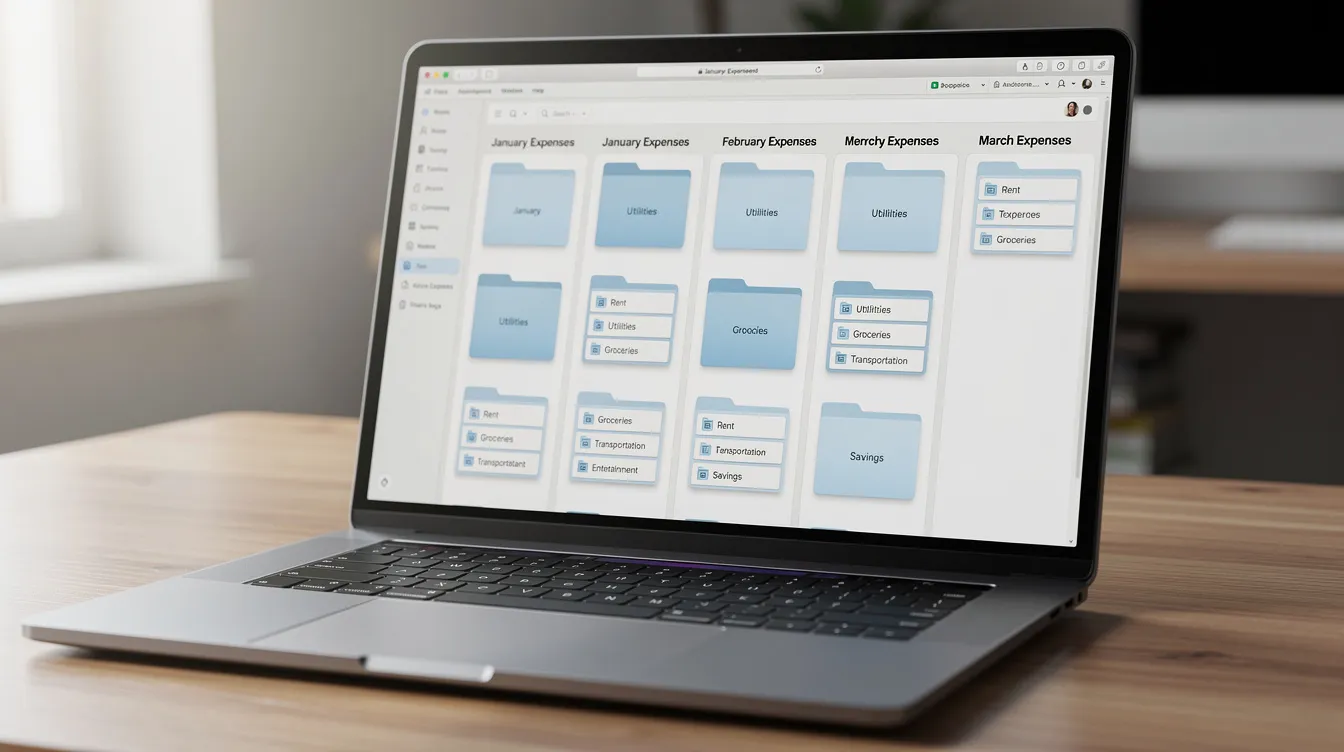
For digital record storage, create monthly cloud folders (for example, “2025-Jan-Expenses”) using Google Drive or Dropbox. Apps like Expensify allow you to scan receipts directly to these folders. Reconcile bank and credit card accounts monthly so there are no surprises when tax filing deadlines arrive. Monthly reconciliations prevent February discoveries like unreported $5,000 in PayPal fees that throw off your entire return.
Take Advantage of Common Small Business Deductions
Many Pembroke Pines businesses overpay by 20-25% because they miss ordinary and necessary deductions the IRS allows under IRC Section 162. Proper documentation transforms everyday expenses into legitimate tax savings.
Concrete deduction examples relevant to local industries:
- Beauty salons: Shampoos, dyes, styling tools, and salon furniture (100% deductible)
- Home service contractors: Drills, ladders, work vehicles, and safety equipment
- Real estate agents: Advertising signs, MLS fees, staging costs, and client entertainment
- E-commerce sellers: Shopify subscriptions, shipping supplies, and inventory management software
Vehicle and mileage deductions remain significant for businesses traveling between Broward and Miami-Dade counties. The IRS standard mileage rate for 2025 is 67 cents per mile. Alternatively, you can deduct actual expenses including gas, maintenance, and depreciation. Either method requires a mileage log documenting odometer readings and business purpose for each trip. An owner driving 15,000 business miles annually could claim a $10,050 tax deduction using the standard rate.
Home office deductions apply to owners who work from Pembroke Pines residences while servicing clients across South Florida. The space must be used exclusively and regularly for business. You can choose between:
- Simplified method: $5 per square foot, up to 300 square feet ($1,500 maximum)
- Actual expense method: Calculate the percentage of home used for business and apply to mortgage interest, utilities, and repairs
Equipment and technology write-offs under Section 179 allow immediate deduction of qualifying equipment up to $1.22 million for 2025. Bonus depreciation currently stands at 60%, phasing down from previous years. Laptops, office furniture, and machinery placed in service before year-end qualify.
Retirement plan contributions reduce current taxes while building wealth. SEP IRAs allow contributions up to 25% of compensation, maxing at $69,000 for 2025. Solo 401(k) plans permit both employer contributions (20% of profit) and employee deferrals ($23,000), with the same $69,000 ceiling. Business owners in the 30-37% bracket can save $10,000+ annually through these tax-advantaged accounts.
Understand Key Tax Deadlines and Estimated Payments
Missing IRS deadlines triggers a 5% monthly failure-to-file penalty (up to 25%) plus 0.5% monthly failure-to-pay penalty, alongside interest charges around 8% annually. For smaller Pembroke Pines businesses with tight margins, these costs add up quickly.
Major business tax filings deadlines:
| Business Type | Form | Filing Deadline | Extension Deadline |
|---|---|---|---|
| S-corporations | 1120-S | March 15 | September 15 |
| Partnerships | 1065 | March 15 | September 15 |
| Sole proprietors | Schedule C/1040 | April 15 | October 15 |
| C-corporations | 1120 | April 15 | October 15 |
| Dates shift to the next business day when falling on weekends or holidays. |
Quarterly estimated tax payments apply to business owners without sufficient withholding:
- First quarter: April 15
- Second quarter: June 15
- Third quarter: September 15
- Fourth quarter: January 15 (following year)
Safe harbor rules require paying either 100% of prior-year tax (110% for higher incomes) or 90% of current-year liability. Local tax professionals report that 40% of small business owners underpay estimates, triggering $1,000+ in penalties annually.
Payroll tax deadlines for employers include:
- Form 941 (quarterly withholding): Due end of month following each quarter
- Form 940 (annual FUTA): Due January 31
- W-2s to employees: Due January 31
- 1099-NEC to contractors: Due January 31
Filing an extension via Form 7004 or 4868 grants additional time to file but does not extend time to pay. You must estimate and remit taxes owed by the original deadline to avoid interest imposed on late payments. Working with expert tax preparers offering tax preparation services in Pembroke Pines creates a customized calendar ensuring no deadline slips through.
Avoid Common Small Business Tax Mistakes
South Florida audits consistently reveal the same pitfalls: commingling funds (50% of notices), inadequate records (30%), and worker misclassification. Avoiding these mistakes protects your business from penalties averaging $14,000 plus back taxes.
Critical errors to avoid:
- Mixing personal and business finances: Use separate bank accounts and credit cards for all business transactions. Commingled funds trigger 20% negligence penalties on mixed expenses and make tax reporting unnecessarily complicated.
- Misclassifying workers: Treating employees as independent contractors by issuing 1099-NEC instead of W-2 forms carries severe consequences. Florida’s ABC test and IRS 20-factor guidelines determine worker status. Violations result in 1.5% FUTA underpayment plus 40% worker reclassification fines—common in construction and home services.
- Overclaiming personal expenses: A 100% business deduction on your family cell phone plan or personal vehicle without proper allocation invites full disallowance and potential 75% civil fraud penalties. Allocate personal versus business use accurately.
- Relying on generic tax software for complicated tax situations: When your business has employees, inventory, or multiple owners, automated online tools often miss critical deductions or create errors. Highly skilled tax professionals offering comprehensive tax services in Pembroke Pines catch issues that block tax office software misses.
- Ignoring IRS and tax authorities notices: Respond within 30 days to any correspondence. Keep copies of all notices and your responses. Approximately 70% of issues resolve without escalation when addressed promptly.
- Hiring unlicensed tax preparers: Generic preparers have 25% error rates compared to 2% for CPAs and enrolled agents. The initial tax office interview should verify credentials and experience with your industry.
Work With a Local Pembroke Pines Tax Professional
Partnering with a local tax pro who understands federal requirements and the specific business environment in Pembroke Pines Florida delivers advantages generic tax offices cannot match. Local expertise means familiarity with Broward County business tax receipts, seasonal revenue patterns, and industries prevalent in the area.
Benefits of year-round advisory services:
- Mid-year check-ins to review profit and loss statements and adjust strategy
- Tax planning before December 31 to maximize last tax deduction opportunities
- Estimated payment calculations that prevent penalties
- Bookkeeping advisory services that keep records audit-ready
A qualified professional can review prior-year returns for missed deductions or tax credits and amend returns when appropriate. Clients of local firms like Mr. Pines Accountax report potential tax savings ranging from $10,000 to over $100,000 through precise preparation and proactive planning.
Additional services experienced preparers provide:
- Business tax audit support and IRS representation
- Negotiating installment agreements with reduced penalties and other tax resolution services
- Handling back-tax situations through Offer in Compromise programs
- Resolving individual taxpayer identification number issues for international clients
Local firms understand challenges unique to South Florida businesses: seasonal tourism income fluctuations, multi-state sales tax nexus with Miami-Dade operations, and international client relationships requiring Form 5472 compliance.

Schedule a free consultation with a trusted Pembroke Pines tax and accounting firm for personalized recommendations based on your industry and growth plans. This initial meeting helps identify opportunities specific to your situation.
Year-Round Tax Planning for Long-Term Savings
Tax preparation should function as a continuous process rather than an annual scramble every March and April. Proactive firms report 15-30% overall tax savings compared to businesses that only engage during tax season.
Quarterly reviews of profit and loss reports allow you to adjust estimated payments and avoid year-end surprises. When revenue fluctuates—common for Pines Blvd retail during peak seasons—quarterly adjustments prevent underpayment penalties.
Strategic purchase timing maximizes deductions:
- Buy vehicles, equipment, and software before December 31 to claim current-year deductions
- Section 179 allows immediate expensing of qualifying assets placed in service before year-end
- Large purchases in January wait 12 months for tax benefit
S-corp owners should periodically review salary versus distribution ratios. IRS scrutiny requires reasonable compensation, typically 40-60% of net profit based on industry benchmarks. Annual reviews with your tax professional maintain compliance and optimize individual tax savings.
Annual reassessments should cover:
- Entity structure suitability as revenue grows (LLC to S-corp transition often makes sense above $100,000 net income)
- Retirement plan options including similar s corp election structures for enhanced contributions
- Fringe benefit additions like health reimbursement arrangements (tax-free up to $10,800)
- QBI deduction eligibility, which phases out at $383,900 income for 2025
Average savings from proactive planning compound over time. Business owners who implement year-round tax strategy avoid the expected refund amount disappointments that come from last-minute filing without optimization.
Contact a local professional for tailored guidance rather than waiting until filing season creates time pressure and limits available options.
Conclusion: Preparing Your Pembroke Pines Business for the Next Tax Season
Organized records, awareness of deductions, understanding deadlines, and professional guidance create a foundation for lower tax bills and reduced stress year after year. The difference between average estimated tax savings and maximum tax refunds often comes down to preparation quality and timing.
Implement at least one improvement immediately. Whether setting up bookkeeping services through QuickBooks, scheduling a meeting with an accountant, or organizing your tax documents into monthly folders—small steps create momentum toward better financial stability.
Consistent, proactive planning proves more effective than last-minute scrambling every spring. Businesses that treat tax strategy as ongoing rather than annual outperform those relying solely on February-to-April preparation.
For small business owners in Pembroke Pines and Miramar seeking expert guidance with business tax filings, personal income tax return preparation, payroll services, or full service bookkeeping services, connecting with a local specialist makes the difference.
Explore comprehensive support for your tax preparation needs with a trusted tax and accounting service in Pembroke Pines